
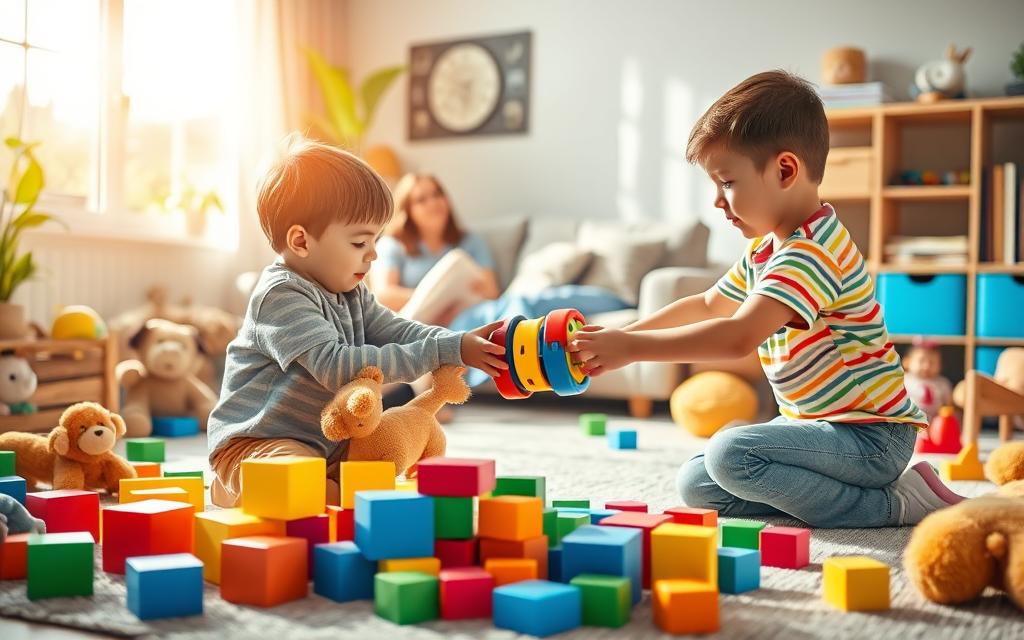
Sibling rivalry is a natural part of child development, playing a significant role in shaping how children perceive their sibling relationships and interact within their family dynamics. It often arises from the perceived competition for limited resources, such as parental attention and love. Research suggests that sibling conflicts typically peak between the ages of 2 and 5 and can occur 3 to 4 times an hour during unstructured play. While these rivalries can sometimes lead to stress and negatively impact the family atmosphere—over 50% of parents report this—it’s essential to recognize that sibling rivalry can also serve as a useful platform for children to learn valuable skills like conflict resolution and emotional intelligence.
This article aims to provide practical parenting strategies that not only help navigate the complexities of sibling rivalry but also foster a sense of harmony within the home. By understanding the roots of conflict and implementing constructive techniques, you can create a more peaceful and supportive environment for your children. Emphasizing the importance of individual attention and respecting each child’s uniqueness will pave the way for healthier interactions and lasting bonds among siblings.
Understanding Sibling Rivalry
Understanding the dynamics of sibling rivalry can provide insights into family interactions and emotional growth. Various factors contribute to the causes of sibling rivalry, often rooted in natural competition for parental affection. When siblings perceive unequal treatment, through attention or resources, it can fuel conflicts in their relationships. Recognizing these causes is key for improving emotional intelligence within the family.
Common Causes of Sibling Rivalry
Sibling rivalry frequently arises from several common influences:
- Natural competition for parental affection and approval.
- Percceived favoritism, where one child feels overlooked.
- Differences in personality traits leading to distinct conflicts.
- Age proximity, with heightened rivalry among siblings close in age.
- The influence of gender roles, which may dictate behavioral expectations.
The Role of Age and Personality Differences
Age and personality significantly impact sibling relationships. Children from the same gender and close in age often display heightened rivalry, especially between the ages of 10 and 15. Personality differences can amplify tensions, where one sibling might be more competitive or assertive than the other. As children grow, they develop an understanding of family dynamics, impacting how they perceive fairness and treatment within the family. Observing and addressing these disparities can foster better emotional intelligence, encouraging siblings to connect instead of compete.
Ultimately, awareness of these dynamics will assist parents in creating a nurturing environment, improving sibling relationships and overall family harmony.
Recognizing and Celebrating Individuality
Celebrating individuality among siblings plays a crucial role in reducing rivalry and enhancing emotional intelligence. Acknowledging unique strengths of each child fosters self-worth and lessens competition within the family unit. This approach ensures that every child feels valued and appreciated, paving the way for healthier sibling relationships.
Acknowledge Unique Strengths
Recognizing and affirming each child’s unique abilities can significantly change family dynamics. This recognition minimizes feelings of jealousy and competition. For instance, you might commend a child for a remarkable academic achievement, while simultaneously celebrating another’s creative talents. By valuing diverse skills, you create a foundation for mutual respect among siblings.
Creating a Supportive Environment
Establishing a supportive environment is essential for your children’s emotional development. This includes fostering a space where they feel seen and heard. Encouragement of cooperation and open communication can help children build strong emotional bonds. When siblings feel supported, they are more likely to develop empathy towards one another, significantly reducing conflicts related to rivalry and leading to healthier relationships in the future.
| Strategy | Benefit | Impact on Sibling Relationships |
|---|---|---|
| Acknowledge unique strengths | Boosts self-esteem | Reduces rivalry |
| Create a supportive environment | Enhances emotional intelligence | Encourages empathy |
| Encourage open communication | Builds trust | Strengthens bonds |
Practical Parenting Strategies for Conflict Resolution
Siblings will inevitably face conflicts, making effective parenting strategies essential for guiding them through these situations. Teaching children constructive conflict resolution skills equips them with the tools needed to navigate disagreements respectfully. Engaging in role-playing exercises can help them articulate their feelings and seek agreements, ultimately enhancing their emotional intelligence.
Teaching Constructive Conflict Resolution Skills
To foster effective conflict resolution, parents can encourage children to use “I feel” statements when communicating their emotions. This approach helps siblings express their feelings without blaming one another, paving the way for understanding and empathy. Moreover, implementing a cooling-off period before addressing disputes allows everyone involved to collect their thoughts. Children learn to recognize their emotions and develop critical communication skills through such practices.
Avoiding Comparisons and Labels
Avoiding comparisons between siblings plays a vital role in decreasing rivalry. Negative labels can create feelings of inferiority, exacerbating conflicts. Instead of focusing on differences, parents should identify and celebrate individual strengths. Intentional and dedicated attention to each child can foster a sense of worth, making siblings less likely to compete for recognition. Engaging in kid-centered activities without distractions can reinforce these positive feelings.
Emphasizing Cooperation Over Competition
Encouraging cooperative play can shift the focus from competition to teamwork. Collaborative tasks, such as family chores or projects, help build unity, allowing siblings to bond while working toward common goals. When siblings experience joint success, it diminishes rivalries and promotes harmonious interactions. Introducing consequences that involve all the children can stimulate cooperative problem-solving, fostering a family environment based on mutual support rather than conflict.
How to Mediate Sibling Conflicts Effectively
Mediating conflicts between siblings is essential for maintaining harmony in your household. A neutral approach plays a crucial role in preventing further escalation of disagreements. Practicing the technique of not taking sides allows children to feel heard and understood, which strengthens their ability to resolve issues together.
The Importance of Not Taking Sides
When disputes arise between siblings, it’s important to remember that mediating conflicts is not about determining a winner. Instead, approach the situation as a facilitator. By not taking sides, you help children express their feelings and develop problem-solving skills. Research indicates that 90% of sibling conflicts can be resolved effectively when parents maintain a neutral stance. This not only teaches personal accountability but also fosters healthier sibling relationships in the long run.
Encouraging Open Communication
Open communication is vital in any sibling relationship. Encourage your children to share their thoughts and feelings openly, without fear of judgment. This promotes collaborative conflict resolution, allowing siblings to work together to find acceptable solutions. Studies reveal that children who learn these communication skills exhibit improved social skills and emotional intelligence. Creating an environment of understanding builds a foundation for lifelong bonds among siblings, ultimately leading to a more cohesive family unit.
Fostering a Positive Family Environment
Creating a positive family environment plays a crucial role in reducing sibling rivalry among your children. Regular family meetings and quality one-on-one time with each child can significantly enhance emotional intelligence and improve family dynamics.
Holding Regular Family Meetings
Family meetings serve as an essential platform for siblings to express their thoughts and concerns openly. Establishing a routine for these gatherings allows everyone to participate in discussions related to family matters. By encouraging children to share their experiences, feelings, and suggestions, you promote a sense of belonging and understanding among family members.
Research suggests that weekly family meetings can lead to a decrease in sibling rivalry incidents, potentially reducing arguments by approximately 15-20%. During these sessions, celebrate teamwork and navigate conflicts in a constructive manner. Your proactive approach can nurture a supportive environment where siblings learn to value collaboration over competition.
Spending Quality One-on-One Time with Children
Allocating dedicated one-on-one time with each child is vital for minimizing competition and jealousy among siblings. Individual interactions emphasize their unique qualities and show that you value them as individuals. Studies indicate that children receiving ample one-on-one attention experience a 25% lower rate of sibling rivalry disputes.
Such quality time allows you to nurture emotional intelligence, equipping children with the skills to empathize and understand one another better. Through personalized engagements, you foster strong relationships, contributing to improved family dynamics and ensuring each child feels loved and appreciated.
Conclusion
Managing sibling rivalry is an ongoing journey that presents both challenges and unique opportunities for you as a parent. With 70% of families experiencing some level of rivalry, understanding and addressing these dynamics is essential for fostering a well-rounded family environment. By recognizing each child’s individuality and implementing thoughtful parenting strategies, you can effectively end sibling rivalry and build harmony at home.
Key practices such as mediating conflicts without bias and encouraging open communication can transform disagreements into moments that enhance emotional intelligence. Remember, the closer siblings are in age, the more likely they are to compete; thus, focusing on cooperation rather than competition can lead to healthier relationships. Your role in guiding your children’s experiences can strengthen familial bonds and create a nurturing atmosphere.
Ultimately, while sibling rivalry may seem inevitable, the right approach can guide your family through these challenges. As you cultivate an understanding of family dynamics, you equip your children with vital skills that will serve them well into adulthood. By working together to manage sibling interactions, you pave the way for more harmonious relationships that last a lifetime.


