
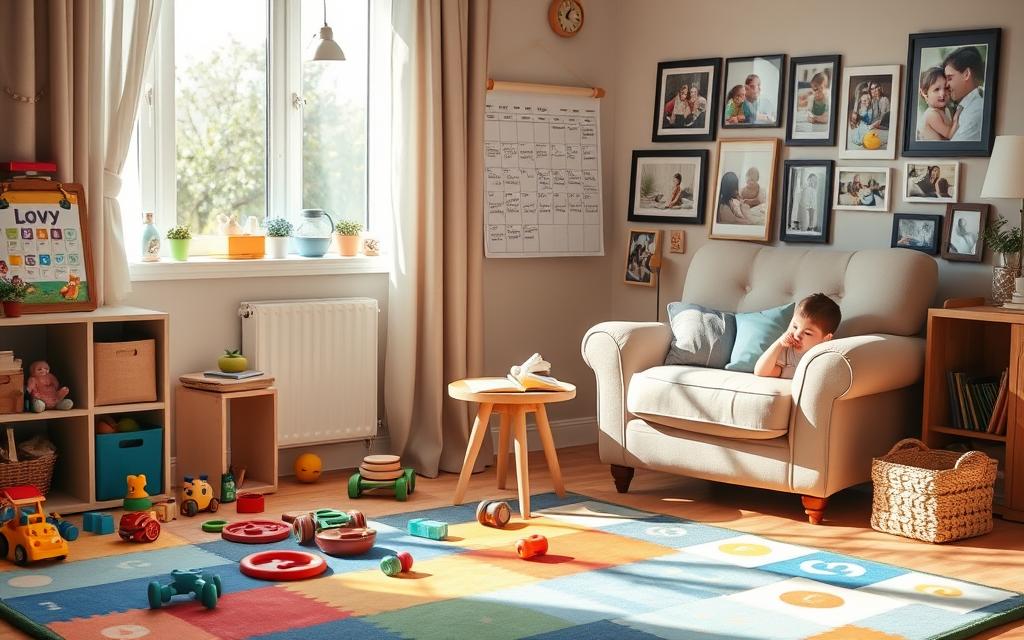
Parenting is a rewarding yet challenging journey that often lacks a clear roadmap. As you navigate through obstacles such as chronic illness or other life events, maintaining a sense of consistent parenting becomes essential. The way you respond to these challenges can directly affect your child’s emotional well-being and resilience. Understanding the predictability in your routines provides a stable environment for your children, helping them thrive despite life’s uncertainties. By embracing effective parenting tips that focus on regular routines and emotional support, you can cultivate a nurturing atmosphere that enhances your child’s social and emotional growth, even in trying times.
The Importance of Consistent Parenting
Consistent parenting plays a critical role in shaping children’s emotional development and overall well-being. By establishing a predictable environment, parents can help their children manage emotional responses more effectively. This atmosphere of predictability enables kids to navigate their surroundings with a sense of security and confidence.
Understanding the Role of Predictability
Creating a stable environment hinges on predictability, which profoundly impacts cognitive development. Research demonstrates that consistent routines in children’s lives lead to better brain wiring, contributing to healthier emotional responses. A study indicated that children are 60% more likely to exhibit positive behavioral outcomes when parents maintain consistent approaches. This stability fosters emotional security, minimizing behavioral issues that arise from uncertainty.
How Consistent Rules Foster Family Stability
The establishment of consistent rules not only cultivates family stability but also promotes cooperative interactions among family members. Inconsistent expectations can lead to power struggles, which may increase stress levels within the parent-child relationship. Parents who practice consistent rules report a 50% reduction in instances of defiance, while those who don’t often find their children struggling with emotional regulation. Maintaining calm and firm responses during challenges can enhance the effectiveness of discipline, reinforcing trust and reliability.
| Statistic | Implication |
|---|---|
| 60% of children show better behavioral outcomes with consistent parenting | Predictability contributes to positive emotional development |
| 75% of children with inconsistent guidance struggle with emotional regulation | Inconsistency affects behavior in school settings |
| 50% decrease in defiance when consistent discipline is practiced | Enhanced family stability results from clear rules |
| 90% of experts advocate for consistent routines | Such practices yield long-term developmental benefits |
| 30% of couples seek support for parenting disagreements | Professional guidance can mitigate negative effects on children |
Creating Routines for Family Stability
Establishing daily routines is essential for fostering family stability and creating a structured environment in which children can thrive. These routines provide the predictability needed for children to feel safe, which in turn promotes their emotional and social well-being. Ensuring that every family member knows what to expect from their day offers a sense of control and autonomy.
Benefits of Establishing Daily Routines
Daily routines come with numerous benefits that contribute to a calmer household. Families that establish regular patterns often experience:
- Increased emotional health: Regular family mealtimes correlate with a 30% reduction in emotional issues among children.
- Improved coping skills: Approximately 80% of families find that routines help manage significant life changes, such as divorce or illness.
- Enhanced responsibility: Chore routines lead to better time management skills in children, as reported by 75% of parents who use this strategy.
- Less illness: Children with established hygiene routines, such as regular hand washing, show a 20% decrease in common illnesses.
Adapting Routines During Challenging Times
The ability to adapt routines is just as important as the routines themselves. Life events can disrupt established patterns, so being flexible ensures continued family stability. For instance, if a parent has a doctor’s appointment, notifying children in advance helps them adjust to the change. This practice not only reduces anxiety but also models adaptability. Research indicates that about 65% of families manage changing schedules during school holidays, demonstrating that flexibility can coexist with structured routines.
In summary, developing and regularly adapting routines fosters resilience within the family unit. Establishing these practices provides a framework that supports emotional stability while allowing for necessary adjustments as life unfolds.
Strategies for Positive Discipline
Implementing strategies focused on positive discipline can lead to remarkable improvements in a child’s behavioral responses. By prioritizing reinforcement and setting clear expectations, you foster an environment where healthy behavior thrives. Understanding the significance of these methods will help you guide your children effectively while nurturing their emotional development.
Emphasizing Positive Reinforcement
Positive reinforcement plays a pivotal role in encouraging desired behaviors. When you recognize and praise your child’s good actions, it increases the likelihood of those behaviors being repeated. Research indicates that families using positive methods report enhanced child behavior within weeks.
- Children aged 2 to 6 show a 60% increase in good behavior when praised consistently.
- Involving children aged 6 to 12 in discussions about discipline yields a 70% increase in their cooperation.
- Establishing a culture of positive discipline contributes to improved relationships, enhancing quality interactions by up to 65%.
By applying strategies such as time-outs that align with their age (one minute per year), you promote both self-regulation and understanding of the consequences of their actions.
Setting Consistent Boundaries for Healthy Behavior
Setting consistent boundaries is crucial for cultivating a nurturing discipline strategy. Children thrive when they have clear expectations and understand the consequences of their actions. This kind of stability allows them to internalize lessons effectively.
| Boundary Type | Purpose | Effect on Behavior |
|---|---|---|
| Physical Boundaries | Ensure safety during playtime | Reduces risk of injury and builds trust |
| Emotional Boundaries | Teach respect for feelings | Improves relationship quality and encourages open communication |
| Behavioral Boundaries | Define acceptable actions | Enhances healthy behavior and reduces misconduct |
Natural consequences might not always be effective if not immediate, while logical consequences can be successfully linked to misbehavior. This structured approach reinforces the importance of consistent communication about rules and expectations.
Emotional Support and Adaptability in Parenting
Providing emotional support is essential when facing life’s challenges. Children benefit immensely from knowing they can express themselves openly during difficult times. Open communication fosters an environment where they can articulate their feelings, fears, and inquiries. This understanding equips them with essential tools to navigate their emotional landscape more effectively.
Encouraging Open Communication During Trials
When trials arise, encouraging open communication becomes crucial. Children who feel comfortable discussing their emotions can articulate issues they face, leading to better coping strategies. Active listening and validating their feelings strengthens the parent-child bond. This emotional support ultimately enhances their resilience, providing a solid foundation for overcoming challenges.
Building Resilience in Children Through Challenges
Resilience can be nurtured by teaching children how to deal with adversity. Engaging them in discussions about their feelings and experiences allows for self-discovery. Participating in volunteer work can also provide valuable lessons in adaptability, helping them understand that challenges are a natural part of life. Supporting a positive outlook further promotes their capacity to thrive, even in tough circumstances.
| Factor | Impact on Children | Statistics |
|---|---|---|
| Emotional Support | Increases resilience | 40% more likely to face academic challenges |
| Open Communication | Enhances emotional stress management | 40% more capable of handling emotional stress |
| Supportive Parenting | Boosts self-esteem | 25% increase in confidence levels |
| Engagement in Feelings | Improves coping skills | 45% increase in coping abilities |
Conclusion
Maintaining consistency in parenting while navigating life’s challenges is an essential endeavor. This approach not only includes setting clear rules and routines but also emphasizes the importance of emotional support and adaptability. By recognizing the need for a structured environment, you contribute to a safe space for your children to thrive, especially during trying times. Research indicates that consistent parenting strategies can lead to a 60% higher success rate in behavioral improvements, underscoring the effectiveness of your efforts.
Establishing clear expectations and regularly reviewing household rules can greatly reduce conflicts and promote a sense of security. Notably, homes with documented guidelines see a 50% reduction in expectation-related disputes. By fostering family support through communication and understanding, you create an atmosphere where your children can develop vital life skills like confidence and emotional intelligence, positioning them to handle their own parenting challenges in the future.
Ultimately, the journey to effective and adaptive parenting involves a commitment to being responsive and consistent, recognizing the profound impact your approach can have on your family’s stability. With dedication to these principles, you are not only nurturing obedient children but also helping shape resilient individuals ready to face any adversity with grace and fortitude.


